
How to Choose the Right Outdoor Sofa for Your Climate and Space
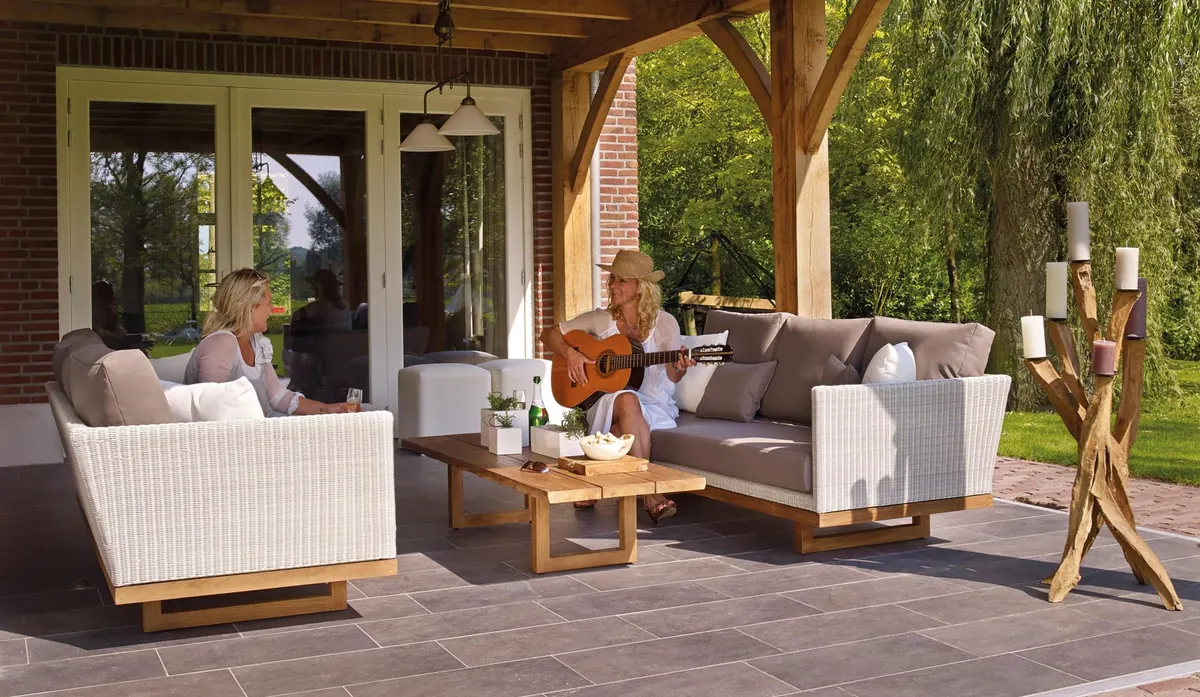
An outdoor sofa is a commitment. It has to feel right on a Saturday afternoon and still look presentable after a season of sun, rain, or salty air. The trick is to buy for your climate first, then fit the piece to the patio you actually have, not the patio in a catalog photo.
Start With Your Actual Patio Dimensions
Before you compare frames or fabrics, measure the space. Use painter's tape to mark the sofa's footprint on the patio, then walk around it. If you have to turn sideways to reach the grill, the sofa is already too big.
Leave clear walking paths. A main route between a door and the yard usually needs at least 24 to 36 inches of width. On a balcony, also check the railing height and any rules about furniture on the balcony itself.
- Width: Measure the longest wall or railing where the sofa will sit, then subtract door swings and path space.
- Depth: A sofa can be 30 to 38 inches deep. Add another 18 inches in front for a coffee table and legroom.
- Clearance: Check steps, hose bibs, storage boxes, and air-conditioning units. A tight corner can make a good sofa useless.
If the tape outline feels crowded, size down. A smaller sofa that people can walk past will get used far more than a large one that blocks the patio.
Match Sofa Size to How You Use the Space
Think about who sits there and how. Two people who read and drink coffee need a different sofa than a family that gathers for dinner and cards.
Small patios and balconies
A 60- to 72-inch loveseat is often the sweet spot. Look for slim arms, a low back, and legs that let light pass underneath. A corner bench or a two-piece sectional can work if it follows the railing instead of jutting into the middle.
Large decks and pool areas
An 84- to 96-inch sofa seats three comfortably. Add two lounge chairs if the deck is wide enough. For conversation, keep the coffee table about 18 inches from the sofa's front edge, close enough to reach a drink without leaning forward.
Measure the seating depth you want too. Deeper sofas feel more relaxed but take more floor space. Shallower sofas suit upright conversation and smaller rooms.
Frame Materials: What Survives Your Weather
The frame decides whether your sofa lasts three summers or ten. Climate should narrow the list before style does.
Aluminum
Powder-coated aluminum resists rust and stays light enough to move. It suits humid, coastal, and rainy areas. In windy spots, choose a heavier base or add weight, because light frames can shift in storms.
Teak and other hardwoods
Teak handles sun and rain well and weathers to a soft silver if left untreated. Acacia and eucalyptus cost less but often need more oiling. Keep wooden feet out of standing water, and let air reach the underside.
Wrought iron and steel
These frames are heavy and stable, which helps in gusty areas. They can rust if the finish chips, so they suit dry climates best or need touch-up paint. Check welded joints and powder coating before buying.
Synthetic wicker and resin
All-weather resin wicker is comfortable, low-maintenance, and good for humid regions. Natural wicker belongs under a covered porch, not in direct rain. Resin frames can be a practical choice for poolside seating.
Wind matters as much as rain. If you live where storms arrive fast, choose furniture you can move, tie down, or store without help.
Cushion Fabrics and Foam That Handle Sun and Rain
Cushions are where most outdoor sofas fail. Look for solution-dyed acrylic, olefin, or performance polyester. These resist fading and mildew better than untreated fabrics. A tight weave also keeps water from soaking in as quickly.
The inside matters just as much. Quick-dry, open-cell foam lets water pass through. Standard upholstery foam acts like a sponge and can stay damp for days. Good cushions often have mesh bottoms, drainage channels, or removable covers.
- Removable covers: Zippers make cleaning and replacement easier.
- Drainage: Check for holes or mesh in the seat platform so water cannot pool.
- Color: Light colors stay cooler in strong sun, while patterns hide small stains.
- Mildew resistance: Important in humid, shaded, or coastal yards.
Even rain-friendly cushions last longer if you bring them inside during heavy weather. In a humid climate, stand them on edge after a storm so air moves through both sides.
Test Comfort Before You Commit
Seat height, depth, and back angle matter more than the label. A comfortable outdoor sofa usually has a seat height around 17 to 19 inches with the cushion in place. Seat depth often falls between 24 and 30 inches. Taller people tend to prefer deeper seats; shorter people often feel lost in them.
Sit for at least ten minutes if you can. Lean back. Rest your arms. Imagine holding a plate or reaching for a drink. If the frame presses into your legs or the back is too upright, keep looking. Cushions soften over time, but a bad frame angle rarely improves.
Plan for Storage, Covers, and Maintenance
Decide where the sofa goes in winter or during storm season. Measure your shed, garage, or storage bench before buying. If the sofa will stay outside, a breathable cover is better than plastic, which can trap moisture and encourage mildew.
Simple care adds years. Brush off leaves, wash frames with mild soap and water, and tighten bolts at the start of the season. Oil wood only if the manufacturer recommends it. Store cushions dry, not damp.
Check whether replacement cushions and parts are available. A sofa with a sturdy frame and replaceable cushions can outlast several fabric trends.
A Simple Buying Checklist
- Measure the patio, walking paths, and storage space.
- Choose a size based on how many people sit there and how they use it.
- Match the frame to your climate: aluminum for humid coasts, teak for mixed weather, heavy metal for wind, resin wicker for low-maintenance comfort.
- Pick quick-dry foam and solution-dyed or performance fabric.
- Sit before you buy, and check seat height, depth, and arm comfort.
- Confirm covers, replacement parts, and a realistic cleaning routine.
Get those six things right and the sofa will feel like part of the patio rather than a seasonal mistake. The best outdoor furniture invites you to linger, not worry about the next rain.
Photo: Marianne / Pexels